



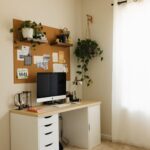






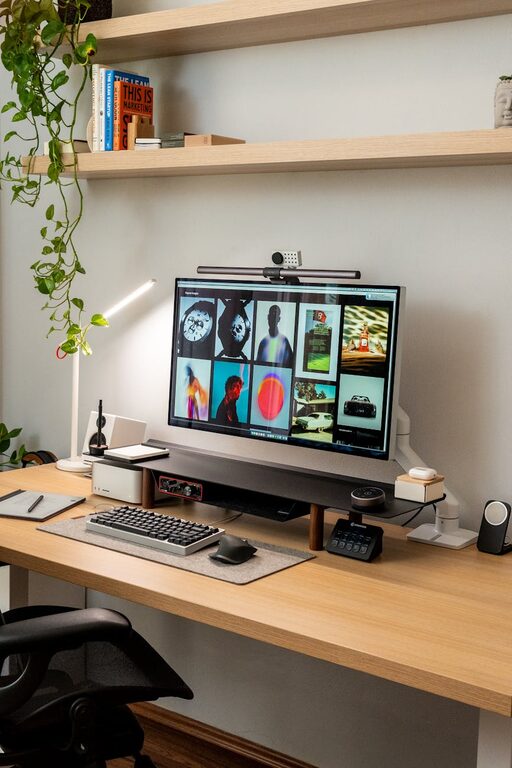
Creating a home office that feels relaxing and inviting can make a big difference to your productivity and overall well-being. Whether you work remotely full time or occasionally need a quiet spot to focus, your workspace should help you stay calm, organized, and motivated. This guide shares simple, practical tips to transform any room or corner into a peaceful home office.
Choose the Right Location
Start by selecting a spot in your home that offers enough natural light and minimizes distractions. Near a window is ideal so you can enjoy daylight, which helps reduce eye strain and lifts your mood. Avoid high-traffic areas or places near noisy appliances. If space is limited, consider a quiet nook or even a foldable desk that can be tucked away when not in use.
Invest in Comfortable Furniture
Your chair and desk are the foundation of a comfortable workspace. Choose an ergonomic chair that supports good posture and encourages healthy sitting habits. Your desk should be the right height to keep your arms and wrists comfortable while typing or writing. If possible, explore adjustable desks that allow you to alternate between sitting and standing throughout the day.
Keep Your Space Organized
Clutter can increase stress and reduce focus. Use storage solutions like shelves, drawers, and desk organizers to keep supplies and documents neatly arranged. Designate specific spots for items such as pens, notebooks, and electronics. Regularly declutter to maintain a clean and tidy environment that invites concentration and creativity.
Add Calming Colors and Decor
Colors influence our emotions. Soft, neutral tones like light blues, greens, or beige create a soothing atmosphere. Avoid overly bright or intense colors that may cause distraction or fatigue. Decorate with simple artwork, plants, or inspirational quotes to make the space feel personal but not overwhelming.
Use Plants to Refresh Your Office
Adding a few low-maintenance plants can improve air quality and boost your mood. Plants like pothos, snake plants, or succulents require minimal care and add a touch of nature that softens your workspace.
Control Lighting
In addition to natural light, make sure you have proper artificial lighting for overcast days or late work sessions. Choose warm light bulbs for desk lamps to reduce eye strain. Adjustable lighting options allow you to set the brightness according to the task at hand and the time of day.
Minimize Noise and Distractions
Try to reduce noise by placing your office in a quiet part of the home or using noise-canceling headphones if needed. Soothing background sounds, such as soft instrumental music or white noise, can sometimes enhance concentration. Turn off notifications on your phone or computer to avoid interruptions.
Incorporate Personal Comfort Items
Small touches can make your workspace more enjoyable. A cozy throw blanket, a favorite mug for your coffee, or a scented candle can create a welcoming ambiance. However, be mindful not to overcrowd your desk with items that might distract you from your work.
Establish a Routine and Boundaries
A relaxing office space is only part of the equation. To maintain calm and productivity, set clear work hours and take regular breaks. Communicate your schedule with family or housemates to minimize interruptions. Ending the day by closing your laptop and tidying up your space helps signal that work time is over.
Final Thoughts
A relaxing home office doesn’t require a large budget or a lot of space. Simple, thoughtful choices in location, furniture, organization, and decor can create an environment that supports both focus and peace of mind. Experiment to find what makes you feel calm and energized, and enjoy the benefits of a home workspace that truly works for you.