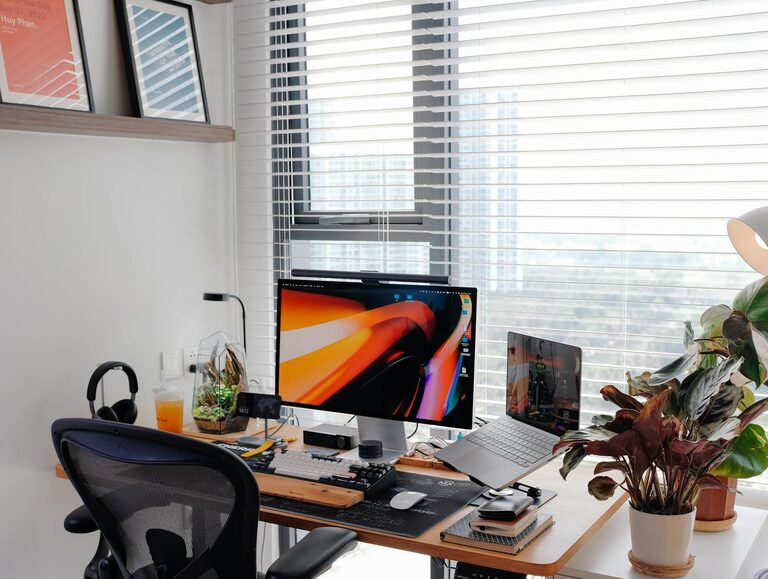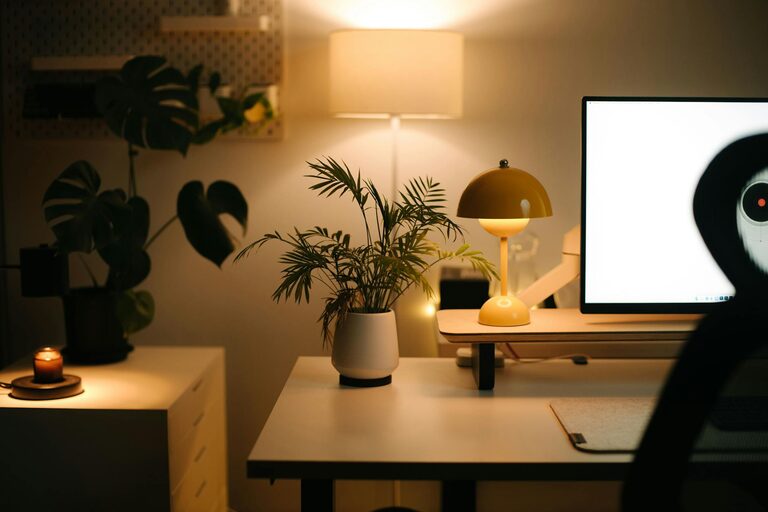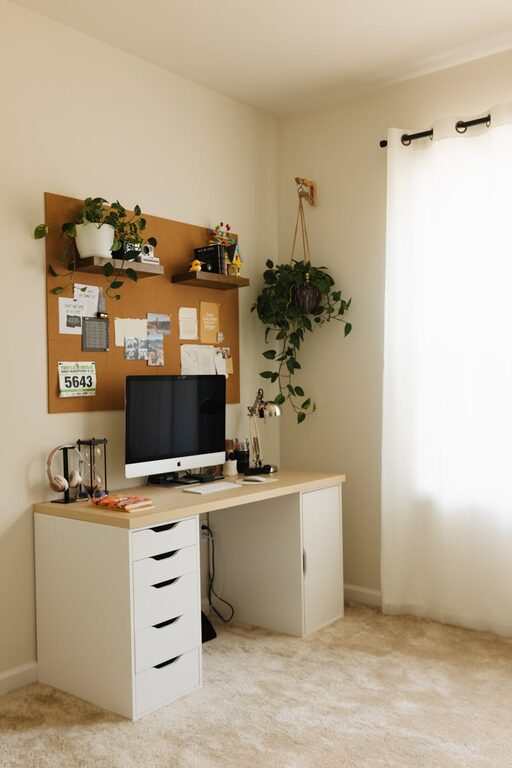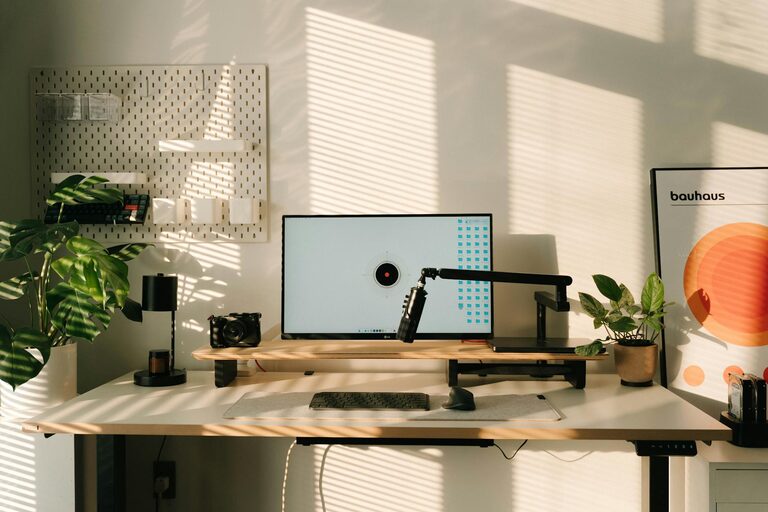
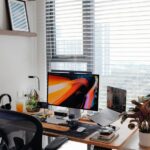

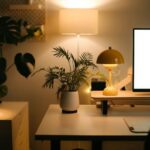
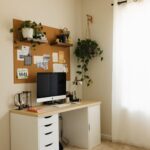


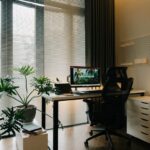



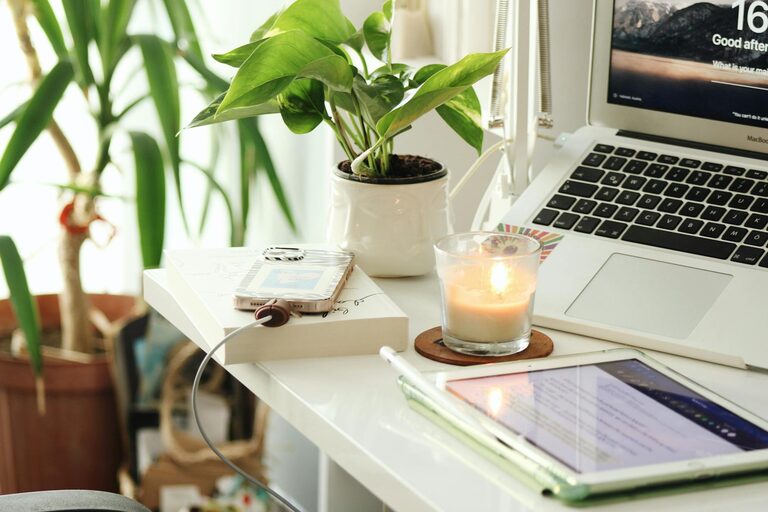
Creating a productive home office space is essential for anyone working remotely or managing projects from home. A well-organized and inspiring workspace helps you stay focused and motivated throughout the day. Whether you have a dedicated room or just a small corner, these tips will help you design a home office that supports your work and wellbeing.
1. Choose the Right Location
Selecting the ideal spot for your home office is your first step. If possible, pick a quiet area with minimal distractions. Look for a space with good natural light, as this helps reduce eye strain and enhances mood. If natural light is limited, invest in quality artificial lighting that mimics daylight.
Consider these factors when choosing your office location:
– Proximity to household noise
– Access to power outlets and internet
– Comfortable temperature and ventilation
– Privacy for calls and meetings
2. Invest in Ergonomic Furniture
Your comfort is key to productivity. A supportive office chair and a desk at the right height prevent discomfort and physical strain. Ergonomic furniture encourages good posture and reduces the risk of back or neck pain.
Tips for ergonomic setup:
– Use a chair with adjustable height and lumbar support
– Position your computer screen at eye level
– Keep feet flat on the floor or use a footrest
– Maintain a neutral wrist position when typing
3. Organize Your Workspace Efficiently
Clutter can distract and slow you down. Keeping your desk tidy and organized improves focus. Use storage solutions like shelves, drawer organizers, or filing cabinets to keep documents and supplies orderly.
Try these organizational strategies:
– Keep only daily essentials on your desk
– Use cable management tools to avoid tangled wires
– Label storage containers and files
– Regularly declutter your workspace
4. Personalize for Inspiration
Adding personal touches makes your workspace inviting and motivating. Decorate with items that inspire creativity, such as artwork, plants, or photos. Plants also improve air quality and add a calming presence.
Ideas for personalization:
– Place a small plant or succulent on your desk
– Hang motivational quotes or artwork on the wall
– Use colorful stationery or organizers
– Choose a comfortable rug or cushions
5. Optimize Technology Setup
Reliable technology is the backbone of an effective home office. Ensure your computer, internet connection, and peripherals like a printer or headset function smoothly. Position your devices to minimize neck strain and eye fatigue.
Technology tips:
– Use a wireless keyboard and mouse to reduce clutter
– Position your router close for better internet speed
– Keep devices updated for security and performance
– Use noise-canceling headphones for focus during calls
6. Establish a Routine and Boundaries
Creating a productive environment goes beyond physical setup—it includes managing your time and focus. Set regular working hours and communicate boundaries with household members. This helps separate work from leisure and boosts efficiency.
How to maintain healthy boundaries:
– Set specific start and end times for your workday
– Use a separate phone line or status indicator for work calls
– Take scheduled breaks away from your desk
– Dress for work to mentally prepare for the day
7. Prioritize Good Lighting and Ventilation
Good lighting reduces eye strain and keeps you alert. Combine natural light with adjustable desk lamps for optimal brightness. Proper ventilation and fresh air prevent drowsiness and keep energy levels high.
Lighting and air tips:
– Position your desk near windows without glare on screens
– Use warm or adjustable white lighting options
– Open windows regularly for fresh air circulation
– Consider air purifiers in closed spaces
Conclusion
Designing a productive home office space is about creating a comfortable, organized, and motivating environment tailored to your needs. With thoughtful planning and simple improvements, you can transform any area into a place where focus and creativity thrive. Start with these tips and adjust based on what works best for your daily routine and work style. A well-designed home office helps you feel prepared, efficient, and ready to tackle each workday with confidence.