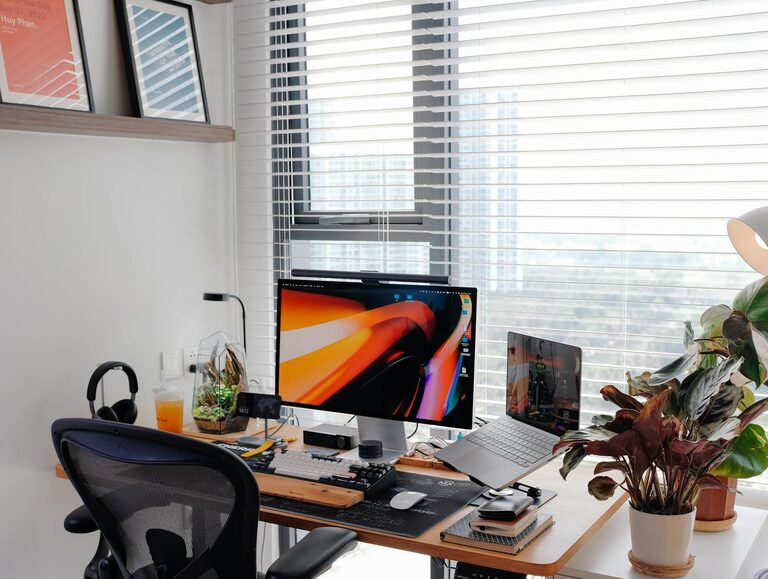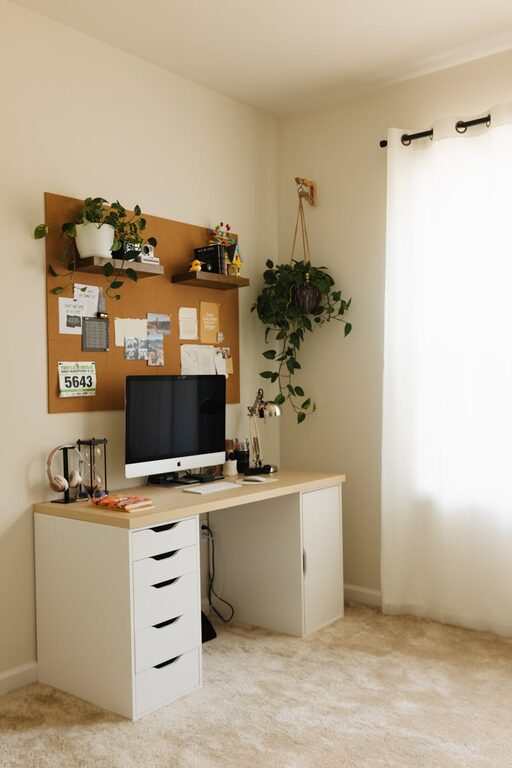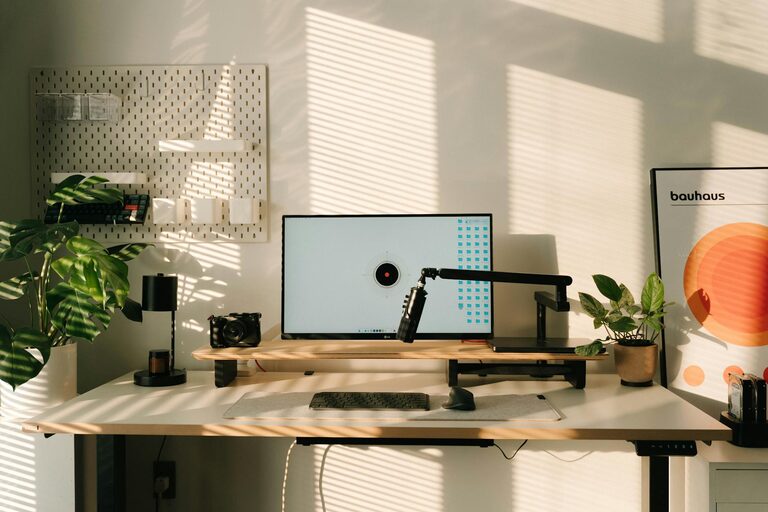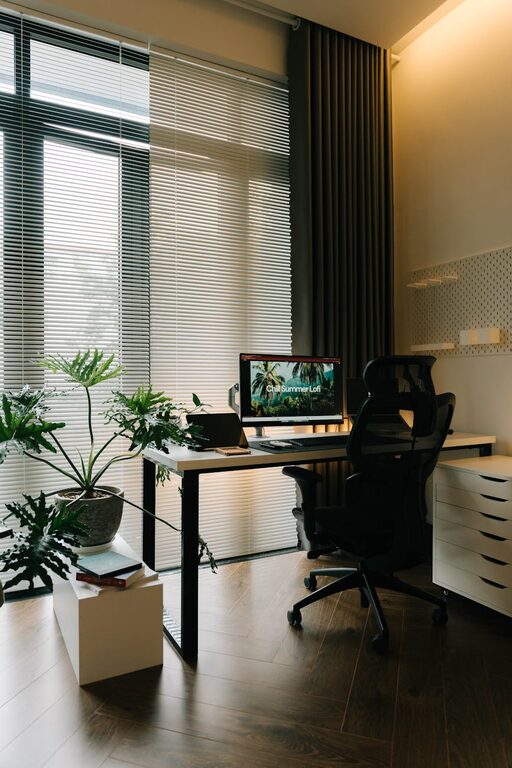



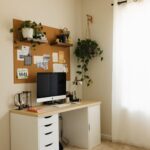






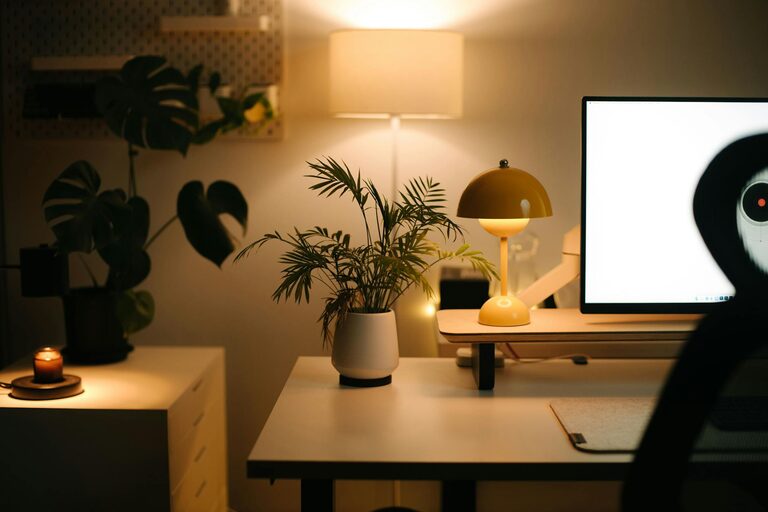
Creating a cozy and productive home office space is essential for anyone working or studying from home. A well-designed workspace not only enhances focus but also makes your workday more enjoyable. Whether you have a dedicated room or a small corner, these tips will help you transform your space into a comfortable and efficient environment.
1. Choose the Right Location
Find a Quiet Spot
Select an area in your home that experiences minimal distractions and noise. If possible, choose a room with a door that you can close to separate work from home life.
Consider Natural Light
Natural light boosts mood and energy. Set up your desk near a window to take advantage of daylight, but avoid glare on screens by positioning your computer at an angle to the window.
2. Invest in Comfortable Furniture
Ergonomic Chair
A comfortable, adjustable chair is key to preventing back and neck pain. Look for chairs that support good posture and provide lumbar support.
Functional Desk
Choose a desk that suits your work style and available space. Standing desks or adjustable-height desks can promote movement and reduce fatigue.
3. Organize for Efficiency
Declutter Your Space
Keep only the essentials on your desk to reduce distractions. Use storage solutions like shelves, drawers, or organizers to keep supplies out of sight but within reach.
Cable Management
Tidy up cables with clips or sleeves to avoid a messy tangling of wires. This keeps your area neat and safer.
4. Personalize Your Environment
Add Cozy Elements
Incorporate soft textures such as a rug, cushions, or a throw blanket to make your office inviting.
Decorate Thoughtfully
Use plants, artwork, or inspirational quotes that motivate you. A few personal touches can make the space feel uniquely yours without overwhelming it.
5. Optimize Lighting
Layered Lighting
Apart from natural light, include a combination of ambient, task, and accent lighting. A desk lamp with adjustable brightness helps reduce eye strain during late hours.
Avoid Harsh Glare
Use curtains, blinds, or soft light bulbs to create a comfortable lighting setup.
6. Minimize Distractions
Set Boundaries
If you share your home, communicate your work hours and space boundaries to household members.
Use Noise Solutions
Consider noise-cancelling headphones or background music to enhance concentration.
7. Create Zones
If space allows, divide your home office into zones for different activities, such as a specific area for computer work, reading, or brainstorming. This separation helps switch tasks mentally and physically.
8. Incorporate Technology Wisely
Reliable Equipment
Invest in a good-quality computer, fast internet connection, and necessary accessories like a printer or scanner.
Backup Power
Use surge protectors or an uninterruptible power supply (UPS) to protect your devices and prevent data loss.
9. Maintain Air Quality and Comfort
Ventilation
Ensure your workspace has proper airflow. Fresh air can reduce fatigue and improve alertness.
Temperature Control
Keep the room temperature comfortable. Use fans, heaters, or air conditioners as needed.
10. Establish a Daily Routine
Design your workday structure and use your home office only for work purposes when possible. This helps create a mental distinction between work time and relaxation.
—
By following these tips, you can create a home office space that is both cozy and productive. Remember, the goal is to design an environment that supports your work while allowing you to feel comfortable and motivated. With a few thoughtful adjustments, your workspace can become a place you look forward to spending time in every day.