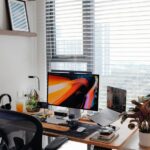

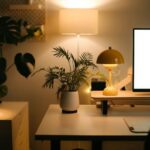
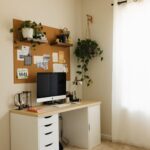

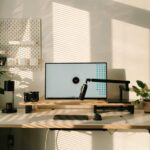



Working from home has become a norm for many people, and setting up an effective home office space can make a big difference in productivity and overall well-being. Whether you have a dedicated room or a small corner, a thoughtfully arranged home office helps reduce distractions, improve focus, and create a positive work atmosphere.
In this post, we’ll explore practical tips to help you create a productive home office environment that feels comfortable and inspiring.
Choose the Right Location
Where you place your home office matters a lot. Ideally, pick a quiet area with minimal foot traffic and distractions. If possible, avoid spaces like the kitchen or living room, where family activities can interfere with your work. A separate room or a nook with a door can help you signal when you’re “at work” and minimize interruptions.
Consider natural light
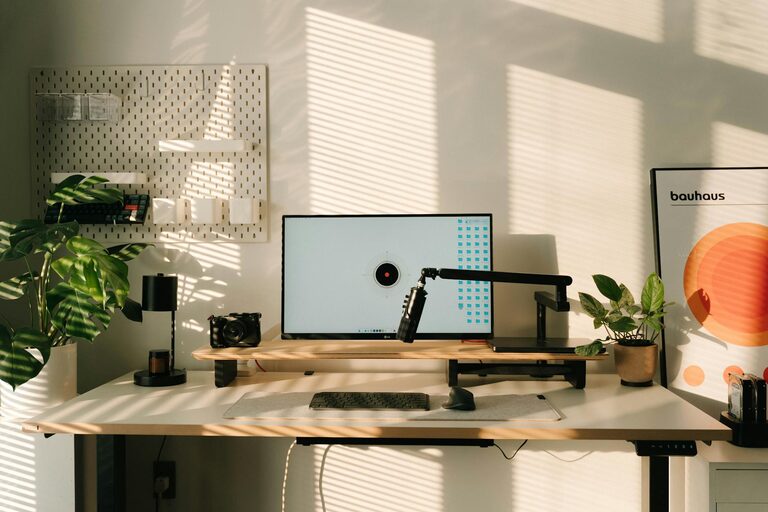
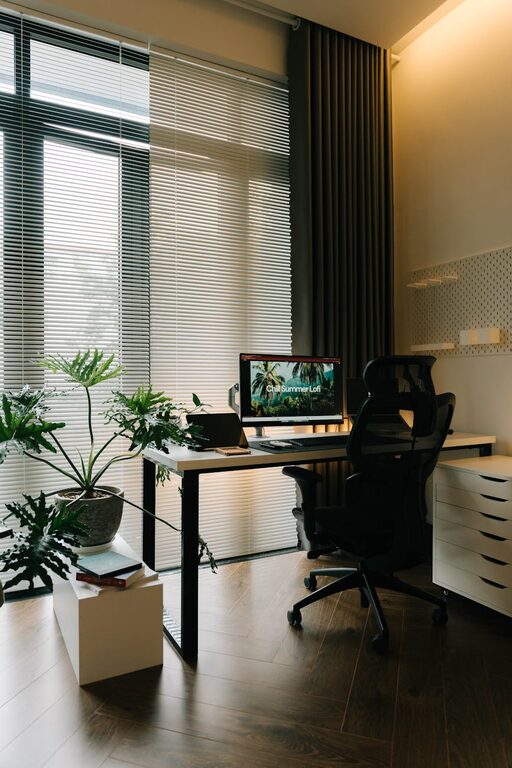
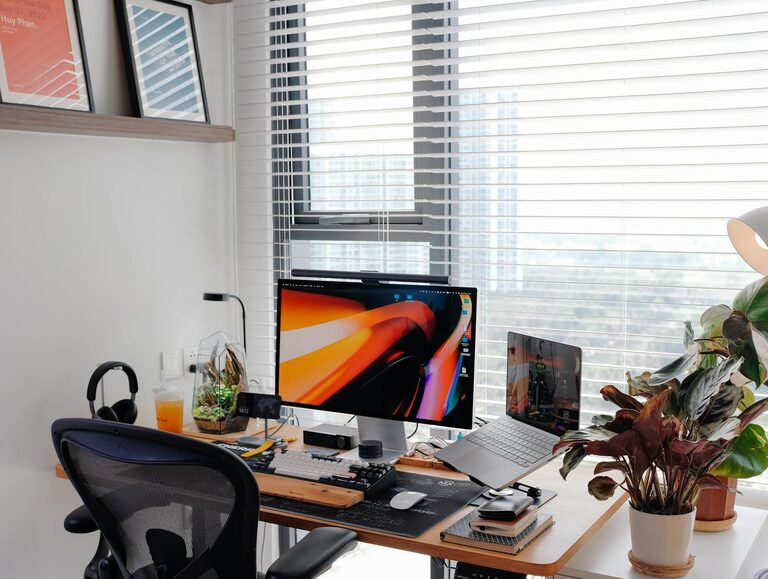
Natural light boosts mood, reduces eye strain, and keeps you alert. Position your desk near a window if you can, but avoid glare on your screen. Use blinds or curtains to control lighting throughout the day.
Invest in Comfortable and Functional Furniture
Comfort fuels productivity by preventing physical strain and maintaining energy.
– Ergonomic Chair: Choose a chair with lumbar support and adjustable height to suit your body and desk.
– Desk: Use a desk that’s the right height and size for your tasks. Adjustable desks or standing desks are great options to alternate postures.
– Monitor Setup: Position your monitor at eye level and about an arm’s length away to avoid neck and eye strain.
Organize Your Workspace
Clutter can distract and stress you out. Keep your workspace tidy and organized.
– Declutter regularly: Remove unnecessary items from your desk.
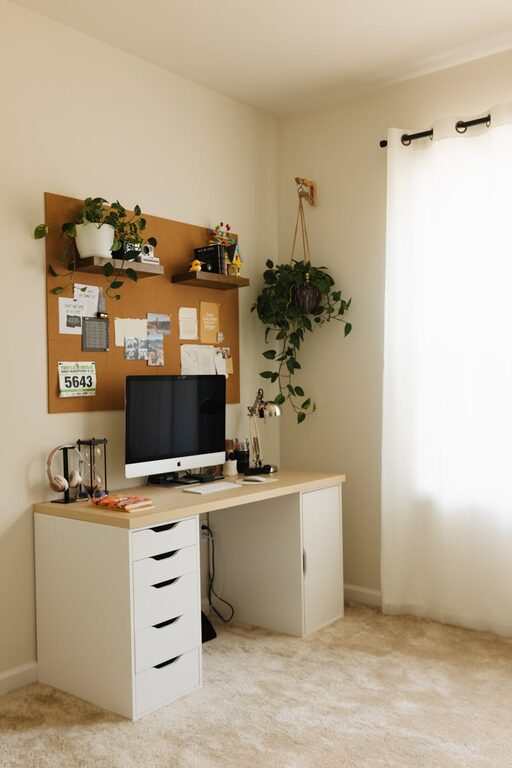
– Storage Solutions: Use shelves, drawers, and organizers to keep supplies and documents neatly stored.
– Cable Management: Use clips, sleeves, or boxes to keep cables out of sight.
Optimize Lighting
Good lighting reduces fatigue and keeps you alert.
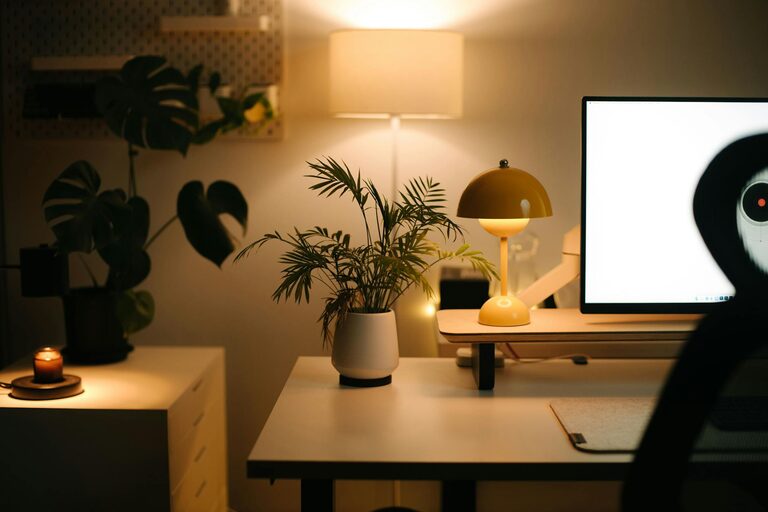
– Combine natural and artificial lighting: A desk lamp with adjustable brightness can supplement daylight and prevent shadows.
– Choose the right bulbs: Use soft white or daylight bulbs around 4000K to 5000K for a balanced, natural feel.
Minimize Distractions
Creating boundaries between work and home life helps concentration.
– Set clear work hours: Share your schedule with family members so they know when not to disturb you.
– Noise control: Use noise-canceling headphones or play white noise or instrumental music to drown out background sounds.
– Limit digital interruptions: Turn off non-essential notifications and use apps to block distracting websites during work hours.
Personalize Your Space
Personal touches can make your office more inviting and motivating.
– Add plants: Indoor plants improve air quality and create a calming environment.
– Incorporate artwork or photos: Choose images that inspire or relax you.
– Choose a color scheme: Soft, neutral tones or energizing colors can influence mood and focus.
Prioritize Good Air Quality
Fresh air keeps you alert and healthy.
– Open windows when possible to let in fresh air.
– Use an air purifier if your space is enclosed or prone to dust.
– Avoid strong scents that might cause headaches or allergies.
Develop a Routine and Take Breaks
Structure your day with clear routines to stay productive.
– Start your day by organizing tasks or reviewing your agenda.
– Use techniques like the Pomodoro method to balance focused work and short breaks.
– Stand up, stretch, and move around regularly to reduce fatigue.
Use Technology Wisely
Leverage tools that improve productivity without overwhelming you.
– Use calendars and task managers to plan your day.
– Set up backups and organize files digitally to avoid lost work.
– Learn keyboard shortcuts and efficient software workflows.
Final Thoughts
Creating a productive home office environment is about balancing comfort, organization, and focus. With the right setup, you can foster improved work habits and make your remote work experience more enjoyable and effective. Start small by applying a few of these tips, and adjust your space as you discover what works best for you.
Your home office should be a place that encourages your best work. Take time to design it thoughtfully, and you’ll likely see benefits far beyond just getting tasks done.